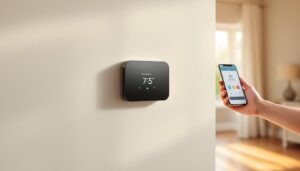
Water damage ranks among the costliest homeowner insurance claims, often striking when you’re away or asleep. An automatic water shut off valve acts as your home’s first line of defense, cutting water supply in seconds when it detects a leak. Whether you’re installing a whole house automatic water shut off valve or a water sensor shut off valve for a specific area, understanding how these devices work can save you thousands in repairs. This guide covers everything a DIYer needs to know about automatic shut off valves for water and why they’re becoming standard protection in forward-thinking homes.
Table of Contents
ToggleKey Takeaways
- An automatic water shut off valve detects leaks and burst pipes using flow and moisture sensors, cutting water supply in seconds to prevent costly water damage ranging from $5,000 to $25,000+.
- Installing a whole house automatic water shut off valve or targeted water sensor shut off valve can qualify your home for insurance premium discounts of 5–15% and increase resale value by 1–3%.
- Point-of-use water sensor shut off valve systems protect high-risk appliances like washing machines and water heaters for $100–$300, making them accessible for renters and budget-conscious homeowners.
- Automatic shut off valves reduce water waste by catching pinhole leaks early, potentially lowering monthly utility bills by 20–30% while extending appliance lifespan and preventing mold growth.
- DIY installation works for single-appliance valves, but whole-house systems should be installed by a licensed plumber to ensure code compliance and proper pressure management.
What Is An Automatic Water Shut Off Valve?
An automatic water shut off valve is a smart device installed in your main water line that monitors flow and pressure. When it detects abnormal water movement, like the sudden rush of a burst pipe or a slow drip from a hidden leak, it automatically cuts off water supply to prevent flooding and water damage.
These valves use two main detection methods: flow sensors that measure water volume passing through the line, and moisture sensors placed near plumbing fixtures or in areas prone to leaks. A whole house water shut off valve connects to your main supply line and protects everything downstream. Smaller units, like water sensor shut off valve models, target specific appliances (washing machines, water heaters, toilets) for localized protection.
Installation involves placing the valve in line with your main water supply before it branches into household lines. The device communicates via wireless app or hardwired connection, sending alerts the moment it detects trouble. Unlike traditional manual shut-off valves, smart automatic shut off valve for water units require no human intervention.
Why Every Home Needs One
Water damage happens fast. A burst frozen pipe can release 250 gallons per day into your home, and you won’t know until damage spreads behind walls, under floors, and through insulation. By then, costs hit $5,000 to $25,000+ depending on severity and mold involvement. An automatic water shut off valve stops this scenario in its tracks.
Insurance companies increasingly offer premium discounts (5–15%) for homes with whole house automatic water shut off valves installed. Some carriers even require them in high-risk regions. Beyond finances, peace of mind matters: you can leave home for vacation knowing that a leak won’t destroy your home while you’re gone.
Common Scenarios That Trigger Protection
- Burst pipes: Freezing temperatures, age-related corrosion, or physical damage splits a pipe: the valve cuts water in seconds.
- Washing machine failures: A split hose floods the laundry room: the smart water shut off valve detects the surge and halts supply.
- Water heater rupture: Tank corrosion causes pinhole leaks or full ruptures: flow sensors catch the anomaly before the basement becomes a swimming pool.
- Toilet tank cracks: A hairline fracture causes continuous slow leaking: moisture sensors near the toilet trigger the valve before rot sets into nearby framing.
- Dishwasher or refrigerator leaks: Supply line failures from these appliances trigger smart sensors positioned underneath or nearby.
- Hidden plumbing leaks: Slow leaks behind walls eventually trigger moisture sensors if they’re placed strategically in vulnerable zones.
Key Benefits Beyond Leak Prevention
Stopping floods is the primary job, but automatic shut off valves for water deliver secondary wins.
Lower water bills: A pinhole leak in a supply line wastes hundreds of gallons monthly. Catching it early cuts waste and reduces your monthly utility bill, sometimes by 20–30% if a major leak goes undetected for weeks.
Extended appliance life: Continuous low pressure from a leak stresses washing machines, dishwashers, and ice makers. Stopping leaks early means these appliances don’t struggle to function, extending their lifespan by years.
Reduced mold risk: Dampness and slow leaks create environments where mold thrives in drywall, insulation, and subflooring. Smart water shut off valve systems prevent the sustained moisture that turns a small leak into a health hazard.
Insurance and resale value: Homes with documented automatic shut off valve installations appeal to buyers and may see 1–3% premium at sale, especially in flood-prone or older neighborhoods where burst pipes are common.
Remote monitoring: Many smart models send phone alerts the moment a leak starts. You’ll know about a problem developing in your vacation home or rental property before it becomes catastrophic.
Types Of Automatic Water Shut Off Valves
Whole-house systems mount on your main water line where it enters the home, typically in a basement, crawlspace, or mechanical closet. These whole house automatic water shut off valve units protect the entire house. Popular examples cost $300–$800 installed, depending on brand and whether you hire a plumber. Models like Moen Flo or Phyn combine a shutoff valve with an app-controlled smart home hub.
Point-of-use valves install directly on individual supply lines feeding specific appliances. A smart water shut off valve for a washing machine, water heater, or toilet provides targeted protection without full-house installation complexity. These run $100–$300 per unit and work well for renters or homeowners wanting to protect high-risk appliances first.
Moisture-sensor kits place small wireless sensors under sinks, near water heaters, or behind toilets. When they detect wetness, they trigger a shutoff valve installed nearby or wirelessly signal your main valve. These are ideal for identifying problem zones and are often the cheapest entry point ($50–$200 per sensor).
Choosing between them depends on your home’s age, plumbing layout, and risk tolerance. Older homes with known leak-prone areas often benefit from both a whole-house system and targeted point-of-use sensors. Newer homes with solid plumbing may prioritize a whole house water shut off valve for comprehensive protection.
Installation Basics For DIY Homeowners
When to DIY vs. calling a pro: Installing a water sensor shut off valve on a single appliance is an accessible DIY project. Whole-house installations, especially on older homes with corroded valves or complex plumbing, often require a licensed plumber because code compliance, pressure-rated fittings, and proper shutoff positioning matter. Check local plumbing code, many jurisdictions require licensed work on main water lines.
Basic point-of-use installation:
- Shut off water to the target appliance at the existing shutoff valve (or main supply if needed).
- Disconnect the supply line from the appliance. Have towels ready to catch residual water.
- Install the smart water shut off valve in line, following the directional arrow on the valve body.
- Use appropriate fittings (compression, threaded, or push-to-connect depending on the valve type). Wrap male threads with thread-seal tape (3 layers, counterclockwise wrapping).
- Reconnect the supply line on the outlet side of the valve.
- Turn water back on and check for leaks. If drips appear at connections, gently tighten the fitting nut (don’t over-tighten, you’ll strip it).
- Download the manufacturer’s app and calibrate the sensor according to instructions.
For whole-house systems, location is critical. The valve must sit on the main line after it enters the home but before it splits to different zones. Your water meter and primary shutoff are usually nearby. If you’re uncomfortable shutting off water, locating the valve properly, or using compression fittings, hire a plumber. A poor installation can restrict water pressure to your entire home or fail to activate during an emergency.
Tools and materials you’ll need:
- Adjustable wrench and two channel-lock pliers (for turning fittings)
- Thread-seal tape
- Towels and a bucket (water will spill)
- The automatic water shut off valve itself
- Appropriate fittings for your plumbing type (PEX, copper, PVC, or galvanized)
Professional installers often finish whole-house jobs in 1–2 hours and handle code compliance. A smart water shut off valve usually requires a simple app setup after that. Family Handyman’s guide to installing water shutoff valves provides detailed photo steps for traditional and smart models. For a complete comparison of top options before you buy, the best automatic water shut-off valves reviewed for 2024 covers performance, pricing, and install difficulty for market-leading models.
Conclusion
An automatic water shut off valve isn’t a luxury, it’s insurance you can install. Whether you choose a whole house automatic water shut off valve or targeted water sensor shut off valve protection, you’re addressing the most common and expensive home disaster after theft and fire. Start with your highest-risk areas, monitor for leaks, and upgrade to full-house coverage when budget allows. Your future self will thank you when a leak triggers your smart valve instead of your anxiety.