If you’re tired of dealing with dust, allergens, and odors floating through your home, you’ve probably wondered whether investing in an air purifier is worth it. The NuWave air purifier has been getting attention as a smart home option that claims to handle serious air quality issues without very costly. But does it actually live up to the hype, or is it just another gadget that sits in your closet? This review walks you through what makes the NuWave stand out, how it works, and whether it’s the right fit for your household.
Table of Contents
ToggleKey Takeaways
- The NuWave air purifier balances affordability with effective multi-stage filtration, making it a practical investment for homeowners dealing with allergies, pets, or poor air quality.
- Its three-stage filtration system—pre-filter, HEPA filter (capturing 99.97% of particles 0.3 microns or smaller), and activated carbon filter—tackles dust, allergens, odors, and gaseous pollutants effectively.
- Smart home integration allows you to control the unit via smartphone app, monitor real-time air quality, and set schedules, fitting naturally into existing smart home ecosystems.
- The NuWave requires minimal maintenance with a straightforward plug-and-play setup; budget $100–150 annually for filter replacements and ensure proper placement in open areas for optimal performance.
- This air purifier is ideal for households with respiratory sensitivities, pets, or frequent cooking, but may be unnecessary if your home has natural ventilation, minimal allergens, or a well-maintained HVAC system.
What Makes The NuWave Air Purifier Stand Out
The air purifier market is crowded, and most units look and perform similarly at first glance. The NuWave sets itself apart by focusing on practical performance without unnecessary bells and whistles. It’s designed for real homes with real air quality problems, whether that’s pet dander, cooking odors, smoke, or general allergens.
What catches homeowners’ attention is the balance between affordability and effectiveness. You’re not paying for a luxury brand name, but you’re also not sacrificing core functionality. The unit operates at noise levels that won’t drive you crazy when running overnight, which matters if you’re placing it in a bedroom or living room where you actually spend time.
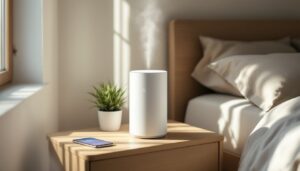
The design itself is compact enough to fit on a shelf or side table without dominating the space, making it practical for apartments or smaller rooms. Homeowners appreciate that it doesn’t scream “tech gadget”, it just looks like a functional piece of home equipment. That practical approach extends to maintenance and setup, which we’ll cover in detail below.
Key Features And Filtration Technology
The core of any air purifier is its filtration system, and this is where the NuWave justifies its place in your home. Let’s break down how it actually works and what you’re getting for your investment.
Multi-Stage Filtration System
The NuWave uses a three-stage filtration approach that tackles different particle sizes and types of contaminants. The first stage is a pre-filter that catches larger debris like dust, pet hair, and lint. Think of it as the gatekeeper that prevents bigger stuff from clogging your more expensive filters downstream.
The second stage is a HEPA filter (high-efficiency particulate air), which is the workhorse of the system. HEPA filters capture 99.97% of particles 0.3 microns or smaller, that includes pollen, dust mites, mold spores, and pet dander. This is the standard you’ll find in serious air purifiers, and the NuWave doesn’t cut corners here. The HEPA filter typically lasts 6–12 months depending on usage and local air quality.
The third stage is an activated carbon filter that handles odors and gaseous pollutants. If you cook pungent foods, have pets, or live near traffic, this filter makes a noticeable difference. Activated carbon has a large surface area that absorbs odor molecules, rather than just pushing them around the room.
One practical note: filter replacement costs matter over time. A replacement HEPA filter runs $30–50, and the carbon filter is similar. Budget roughly $100–150 per year for filter replacements in an average home. That’s a cost worth factoring in before you buy.
Smart Home Integration And Controls
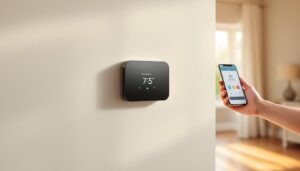
The smart home integration is where the NuWave shows its modern side. You can control it via a smartphone app, set schedules, and monitor air quality in real time. If you’re building a smart home technology system in your house, this fits naturally into the ecosystem.
The app lets you turn the unit on or off remotely, adjust fan speed, and see filter life remaining. You can set it to run on a schedule, say, ramping up to high speed during peak allergy season or when you’re cooking. Some homeowners use voice control through Alexa or Google Home, though compatibility depends on your setup.
The built-in air quality sensor gives you a real-time readout of particulate matter in your home. It’s not a laboratory-grade measurement, but it’s accurate enough to show you when air quality spikes (like after cooking or during a dusty day) and when it improves. That feedback loop helps you know whether the unit is actually working or just running quietly.
Installation And Maintenance For Homeowners
Setup is straightforward, no mounting, no ductwork, no hiring a professional. This is a plug-and-play device that sits on a floor, shelf, or table. Here’s what to expect.
Initial Setup:
- Unbox the unit and remove all plastic packing materials from the filters.
- Plug it in and place it in a central location with good airflow.
- Download the app and connect to your Wi-Fi network (requires 2.4 GHz band: some newer mesh systems may need adjustment).
- Run the first cycle for 30 minutes before entering the room to let it clear out any dust from the manufacturing process.
The unit works best when placed in an open area rather than tucked into a corner or against a wall. Air needs to flow freely through the intake vents, so avoid placing it in tight spaces. If you’re using it in a bedroom, put it on a nightstand or dresser at least 12 inches from the wall.
Maintenance Routine:
Maintenance is minimal, which is exactly what homeowners want. Check the pre-filter monthly, if it looks clogged with dust or pet hair, vacuum it gently or replace it. The pre-filter often lasts longer than the other stages, sometimes 12–18 months, because you can clean it instead of always replacing it.
Replace the HEPA and carbon filters according to the app’s reminder (usually every 6–12 months, depending on use). The app will alert you when filter life drops below 20%, which takes the guesswork out of maintenance.
Wipe down the exterior with a soft, damp cloth occasionally to prevent dust buildup. Don’t use harsh cleaners or let water get near the electrical components.
Placement Matters:
Room size affects performance. A standard NuWave model is rated for rooms up to around 500 square feet with clean air exchanges per hour (ACH) of about 3–4. That means it cycles the entire room’s air every 15–20 minutes. In an open-concept living area, place it centrally. In a bedroom, one unit typically handles it fine. If you have a large master suite or open floor plan exceeding 500 square feet, consider two smaller units rather than trying to push one too hard.
Who Should Invest In This Air Purifier
Not every household needs an air purifier, and that’s okay. But certain situations make the NuWave a solid investment.
You’re a good fit if:
- You or family members have allergies, asthma, or respiratory sensitivities. Running the purifier on high during high-pollen seasons or air quality alerts genuinely helps.
- You have pets and want to reduce dander, odors, and loose hair circulating in your home. This is one of the most common reasons people buy purifiers, and it works.
- You cook frequently with strong spices or oils and want to minimize lingering cooking smells. The activated carbon filter handles this effectively.
- You live in an area with poor outdoor air quality or near traffic, construction, or wildfire smoke. In these regions, having some control over indoor air is valuable.
- You’re building a smart home and want your air quality management automated and monitored.
You might skip it if:
- Your home has fresh air naturally (good cross-ventilation, open windows frequently, low allergen environment).
- You have minimal pets, cook rarely, and no one has respiratory issues.
- You’re on a tight budget and can’t justify $100+ per year in filter replacement costs.
- Your home’s ducted HVAC system already has quality air filtration and you maintain it regularly.
The Middle Ground:
Many homeowners fall somewhere in the middle and find that a single unit in a high-traffic area (living room or main bedroom) solves 80% of their air quality concerns without the full investment. Start with one unit and see how it affects your home’s air quality and your symptoms before buying multiple units.
Conclusion
The NuWave smart air purifier delivers on its promise of cleaner indoor air without the premium price tag or overcomplicated setup. For homeowners dealing with allergies, pets, or poor outdoor air quality, it’s a practical addition to your home’s climate control strategy. The multi-stage filtration works, the smart controls add convenience, and maintenance stays simple. Factor in the annual filter costs, place it thoughtfully, and you’ll see real results. If you’re serious about indoor air quality, this is worth the investment.