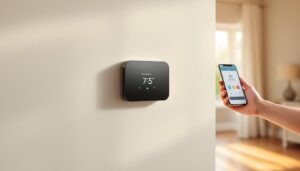
Installing a budget smart thermostat is one of the quickest ways to trim heating and cooling costs without emptying your wallet. Unlike decades-old manual models, today’s affordable smart thermostats learn your schedule, adjust temperature automatically, and let you control your HVAC system from your phone. The best cheap smart thermostats offer solid features, remote access, scheduling, energy reports, at prices under $150, making them accessible even for first-time smart home buyers. Whether you’re retrofitting an older home or upgrading a rental, there’s a budget option that fits your setup and comfort needs.
Table of Contents
ToggleKey Takeaways
- A cheap smart thermostat can reduce heating and cooling costs by 10–15% annually, typically paying for itself within 1–3 years through energy savings alone.
- Budget smart thermostat models like the Wyze Thermostat ($60–80) and Amazon Smart Thermostat ($60–100) deliver core scheduling, remote app control, and voice integration without unnecessary premium features.
- DIY installation of a cheap smart thermostat takes under an hour and saves $200–300 in contractor fees—simply turn off power, match wire labels (R, W, Y, G, C), and secure them in the new unit’s terminals.
- Programming your thermostat to lower temperature by 7–10 degrees during sleep or away hours cuts heating costs by approximately 10%, making smart scheduling the fastest path to energy efficiency.
- Most budget smart thermostat models include energy reports and app tracking to help identify heating or cooling issues early, preventing expensive HVAC repairs down the road.
Why Budget-Friendly Smart Thermostats Are Worth the Investment
A smart thermostat pays for itself by reducing energy waste. Most homeowners see 10–15% savings on heating and cooling costs annually, which translates to roughly $100–200 per year depending on your climate and usage patterns. Budget models eliminate the premium you’d pay for brands with unnecessary bells and whistles, you get the core features that actually lower your energy bills.
The beauty of a cheap smart thermostat is that installation typically doesn’t require a professional. If your existing thermostat has standard wiring (C-wire compatibility varies, but most modern HVAC systems accommodate it), you can swap it yourself in under an hour. No permits, no contractor markup. That DIY installation saves $200–300 compared to hiring someone, so your payback period shrinks significantly.
Budget thermostats also integrate with popular voice assistants and phone apps, so you’re not sacrificing convenience for cost. You still get remote scheduling, temperature history, and alerts if something goes wrong with your heating or cooling system. For renters and homeowners alike, an affordable smart thermostat is a practical upgrade that doesn’t require structural work or long-term commitment.
Top Affordable Smart Thermostat Models to Consider
Entry-Level Options Under $100
The Wyze Thermostat is a proven entry-level pick that manages heating and cooling without draining your budget. It offers basic scheduling, app control, and compatibility with most standard HVAC systems. The display is simple but legible, and setup uses a standard smartphone app, no need to install proprietary software. At around $60–80, it’s hard to beat for pure value.
Amazon’s Smart Thermostat with Voice Control sits in the $60–100 range and bundles voice commands directly into the unit. If you already own an Alexa device, integration is seamless: if not, the thermostat includes a speaker. It supports C-wire-less installation on some systems, which simplifies wiring hassles. Reviewers on trusted tech sites consistently rank it as a best value smart thermostat option because it avoids gimmicks and focuses on reliable scheduling and remote access.
Mid-Range Picks for Better Features
The Ecobee SmartThermostat with Voice Control typically runs $100–150 and steps up the feature set. It includes a built-in room sensor so your thermostat measures temperature in multiple zones rather than just at the unit itself. This matters in larger homes where bedrooms stay colder than living areas. The voice control is responsive, and Ecobee’s energy reports are more detailed than basic models, helping you spot patterns and adjust habits.
Google Nest Learning Thermostat is widely recommended but usually sits at $150+, pushing it outside true “cheap” territory. But, if you catch smart thermostat deals during seasonal sales (typically in spring and fall), Google’s AI-powered learning can dip closer to the $100–120 range. It remembers your temperature preferences and adjusts on its own, which appeals to homeowners who want genuine set-and-forget convenience.
Before committing, confirm your system’s wiring. Most homes built after 1990 have a C-wire (common wire) already in place, which powers the thermostat: older homes sometimes lack it. Your current thermostat label shows which wires are connected (usually labeled R, W, Y, G, and C). Take a photo before removing the old unit. If you’re unsure, compare smart thermostat compatibility guides on retailer websites, they’ll walk you through wiring checks.
How to Install Your Budget Smart Thermostat
Installing a smart thermostat yourself is straightforward if you follow safety steps. Turn off power at your breaker box before touching any wires, this is non-negotiable. Flip the breaker controlling your HVAC system to the OFF position and confirm the old thermostat display goes dark. Forgetting this step creates shock hazards, especially with live furnace circuits.
Unscrew the old thermostat from the wall and gently pull it away to expose the wiring. Use a screwdriver or needle-nose pliers to loosen terminal screws and note which wire goes where. Most wires are labeled on the old unit’s backplate, but take a photo of the current setup before disconnecting anything. This reference prevents mix-ups when installing the new one.
Install the new thermostat’s backplate using a level so it sits square to the wall, a tilted mounting plate stresses the internal components. Match wire labels: R (red) is power, W (white) is heat, Y (yellow) is cooling, G (green) is fan-only, and C (black or blue) is common ground. Insert each wire into the corresponding terminal and tighten firmly with a screwdriver.
Once all wires are seated, attach the thermostat body to the backplate, power up your breaker, and download the manufacturer’s app to configure Wi-Fi and scheduling. Most budget models walk you through setup step-by-step. Run your heating or cooling for 5–10 minutes to confirm the system responds correctly. If nothing happens, power down again and double-check wire seating, the most common installation hiccup is a loose wire.
Maximizing Savings and Energy Efficiency
Setting a proper schedule is where budget thermostats earn their keep. Program your thermostat to lower temperature by 7–10 degrees during hours you’re asleep or away, this alone cuts heating costs by about 10%. If you leave home at 8 AM and return at 5 PM, schedule a temperature dip starting at 7:30 AM and a warm-up beginning at 4:30 PM. The system only runs when needed, not while your house sits empty.
Use the thermostat’s “eco” or “away” mode if you’re gone for extended periods. This mode widens the temperature band so the system doesn’t work overtime to maintain exact setpoints, it’ll let temperature swing by a few degrees rather than running constantly. During winter, dropping from 72°F to 65°F saves roughly 3% on heating costs per degree (the percentage varies by climate, but the principle holds). In summer, raising the cooling setpoint from 72°F to 78°F while you’re out yields similar savings.
Check your thermostat’s energy reports monthly. Most apps show how many hours heating or cooling ran and compare usage to previous months. If usage spikes unexpectedly, it might signal a furnace or AC problem brewing, catching issues early prevents expensive repairs. Value-focused thermostats like the Wyze model include basic energy tracking that helps you spot inefficiencies without overwhelming data.
Finally, pair your smart thermostat with good insulation habits. Weatherstripping around doors, sealing air leaks, and ensuring your ductwork isn’t compromised amplify thermostat savings. A smart thermostat can’t overcome drafts or poor insulation, it just automates what you’d do manually. When you combine smart scheduling with solid building maintenance, your cheap smart thermostat becomes a genuine workhorse for cutting energy waste year-round.
Conclusion
Budget smart thermostats deliver real savings without premium pricing. Whether you choose an entry-level model under $80 or a mid-range unit closer to $150, you’ll cut energy costs, gain remote control, and avoid contractor fees by installing it yourself. Start with models that match your system’s wiring, follow safe installation practices, and optimize your schedule for the biggest return on investment.