You’re standing in the lighting aisle at the big-box store, staring at two different ways to make your lights “smart”, and wondering which one actually makes sense for your setup. Smart switches and smart bulbs both promise remote control, scheduling, and voice integration, but they work in fundamentally different ways and suit different situations. The choice comes down to your existing wiring, budget, and what you’re trying to control. This guide walks you through the practical differences so you can make an well-informed choice without wasting money or time on the wrong tech.
Table of Contents
ToggleKey Takeaways
- Smart switches control entire circuits and work with any bulb type, making them ideal for homeowners planning long-term upgrades, while smart bulbs offer instant installation with no rewiring but lose functionality if the physical wall switch is flipped.
- Smart switch vs smart bulb cost differs significantly: switches run $400–$600 installed for a room with professional electrician labor, while smart bulbs cost $135–$450 for the same space with zero installation expense.
- Smart bulbs are the better choice for renters and those uncomfortable with electrical work, whereas smart switches make more sense for multi-bulb fixtures like chandeliers, recessed lighting, and homes with existing neutral wires.
- A hybrid approach combining smart switches in high-traffic areas (entryway, kitchen, bedroom) with smart bulbs in secondary fixtures maximizes control and flexibility without unnecessary spending.
- Smart switches require a neutral wire in your electrical box—older homes may lack these, making smart bulbs the only viable option without costly electrical rewiring.
Key Differences at a Glance
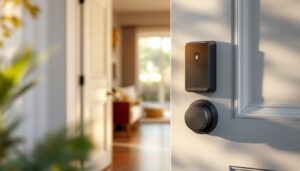
Smart switches replace the standard toggle or rocker switch at your wall box, controlling the circuit powering your fixture. Smart bulbs screw into existing sockets and communicate directly with your app or voice assistant. A smart switch controls all bulbs on that circuit together: a smart bulb lets you control individual lights even if they’re on the same switch.
Think of it this way: a smart switch is like upgrading your electrical panel, while a smart bulb is like upgrading the bulb itself. Smart switches tend to cost more upfront but work with any bulb type you add later. Smart bulbs cost less per unit but don’t give you control if someone flips the physical wall switch, turning off the circuit defeats the whole smart setup.
How Smart Switches Work
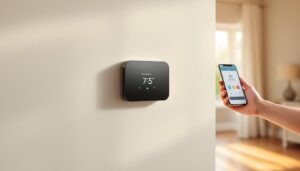
A smart switch mounts directly into your electrical box, replacing the standard switch. It connects to your home Wi-Fi or a hub (depending on the protocol, Zigbee, Z-Wave, or Wi-Fi) and controls the voltage flowing to your light fixture. You can turn lights on or off remotely, set schedules, and integrate with voice assistants like Alexa or Google Home. Some models include dimming and color temperature control if your fixtures support it.
Installation requires turning off power at the breaker, pulling out the old switch, and wiring in the new one. You need to handle a neutral wire (most modern homes have this, but older homes sometimes don’t). If you’re unsure about working in your electrical box, hire a licensed electrician, this isn’t a guesswork situation. Smart switches work with any bulb: incandescent, LED, CFL, or specialty bulbs. Once installed, every person in your home can benefit without needing to buy multiple devices or deal with app training.
How Smart Bulbs Work
A smart bulb is essentially a computer-controlled LED that screws into your existing fixture and connects directly to Wi-Fi or a hub. No rewiring needed, unscrew, insert, and go. The bulb itself handles scheduling, dimming, and color changes through its internal circuitry. Common protocols include Wi-Fi (for direct app control), Zigbee, and Z-Wave (both require a hub for reliability and range).
The catch: if someone flips the wall switch, the circuit cuts and your bulb goes dark. The app won’t turn it back on until the wall switch is flipped again. This creates a frustration point in homes where family members aren’t tech-savvy or where habit dictates using the physical switch. You’ll also pay per bulb, a three-fixture room requires three smart bulbs, multiplying your cost. Many smart bulbs support color-changing and warm-to-cool dimming, which smart switches can’t do unless your fixture has that capability built in.
Cost Comparison and Installation
A mid-range smart switch costs $40–$80 and handles one circuit. If you have three light switches in your living room, you’re buying three switches and paying a licensed electrician $100–$300 per outlet for labor. Total: roughly $400–$600 for a professionally installed, fully smart living room.
Smart bulbs cost $15–$50 each, depending on features. The same living room with nine bulbs (three fixtures × three bulbs) runs $135–$450 in bulbs alone, no electrician needed. The math favors bulbs for renters and small projects, and switches for long-term homeowners planning permanent upgrades. Switches also work with dumb bulbs, so you’re not locked into replacing bulbs every few years as technology evolves. One more thing: smart switches require a neutral wire in your electrical box. Older homes sometimes lack these, forcing you back to bulbs or hiring a pro to run new wire, an expensive detour.
Which Option Fits Your Needs
Choose a smart switch if you’re a homeowner planning to stay put for several years, you want control across multiple bulbs at once, or you’re okay with hiring an electrician. Switches also make sense if you have recessed lighting, chandeliers with multiple bulbs, or outdoor fixtures, places where managing individual smart bulbs becomes tedious. Experts in the DIY smart home space increasingly favor smart switches instead of smart lights for exactly these reasons.
Choose smart bulbs if you’re renting, uncomfortable with electrical work, or want to test smart home tech on a budget. Bulbs work great for single fixtures, desk lamps, or holiday lighting. They’re also your only option if your home lacks neutral wires at the switch location. The setup is instant, no appointment with an electrician, no breaker interruptions, just install and configure via app.
Mixing Both for Maximum Control
Many homes use both. Install a smart switch on high-traffic areas (entryway, bedroom, kitchen) where centralized control makes sense. Use smart bulbs in secondary fixtures, lamps, or places where individual control matters (a bedroom reading light separate from overhead). This hybrid approach gives you flexibility without overspending.
One caution: running multiple smart home ecosystems (some bulbs on Zigbee, others on Wi-Fi, switches on Z-Wave) requires either a capable hub or careful ecosystem planning. Recent smart home technology reviews from Digital Trends and CNET’s product reviews dive deeper into hub compatibility if you want to get specific. Stick to one ecosystem where possible, it simplifies troubleshooting and voice integration. Mix and match brands only if you’re willing to toggle between apps or use a universal hub that supports multiple protocols.
Conclusion
Neither option is universally better, context wins. Smart switches offer durability, convenience, and future flexibility in a permanent home. Smart bulbs deliver quick results and low upfront risk for renters or cautious DIYers. Many homeowners find a blend of both fits their real-world needs. Whatever you choose, prioritize reliability over features: a light that turns on when you need it beats a light that dims in six colors but requires constant app fiddling.